

Anti-Immigration, United Kingdom:
Starting date: 04-09-2025
Ending date:
Made by: Tim de Vries, 4Va
Immigration has around in the UK for a long while and in British politics for many years but in 2025 it is more in the spotlight than ever. The British government is introducing stricter immigration rules because many people are worried about high immigration numbers, the shortage of housing and pressure on schools and hospitals. Prime minister Keir Starmer and his Labour Party have plans to make it harder for immigrants to live in the UK. They want to extend the time needed for permanent staying from five to ten years, bring in stricter English language and reduce the number of forein workers.
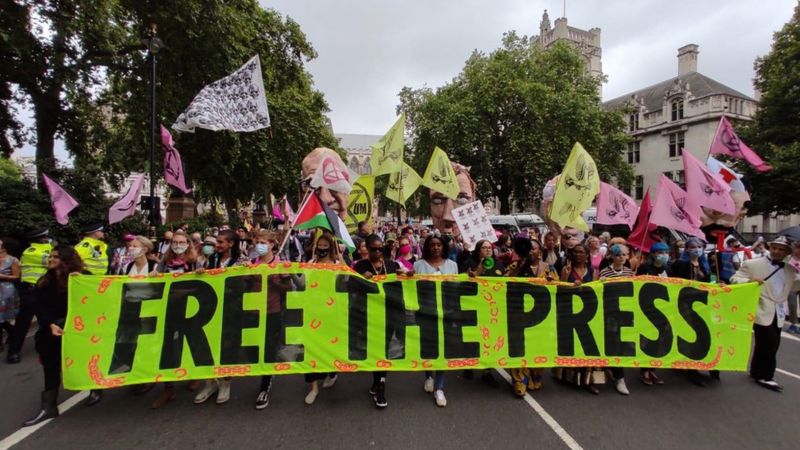
This shift to immigration policies is mostly due to the rise of anti immigration parties for example reform UK. These parties are gaining popularity especially voters who feel immigration threatens quality of life, wages and security. As a result even other parties feel pressured to take a harder approach. Around 100.000 people protest daily against these new laws, chanting the phrase “Unite the kingdom” to grab the attention of the prime minister to reduce laws against anti immigration.
Why does the government want stricter rules?
The government says that immigration must go down to protect British culture. They say that schools, hospitals and houses can’t keep up with the number of new people coming. Labour wants to show that it can control immigration in a fair but hard way, by making the wait for permanent stay longer, they hope fewer people will try to settle in the UK. By making English language tests harder, they want to make sure immigrants can integrate better into British life. And by cutting the number of foreign workers, they want to open more jobs for British citizens.
Arguments in favour
Many British people support the new rules. For the British people the country feels too full. Rent is high, houses are hard to find and the NHS (National Health Service) has long waiting lists. They feel immigration is a big reason for these problems. They also think it is fair to ask immigrants to speak English and to wait longer before they can stay forever. Supporters think this will help foreigners and make life in Britain easier. Some people say that if numbers are less now it will give the government time to build more houses, improve schools and prevent stress on services.
Arguments against
There is also strong criticism. Many industries in the UK depend on immigrants, especially health care, social care and farming. If less foreign workers are allowed there will be shortages of staff. For example many hospitals already do not have enough nurses and care homes need immigrant workers to look after the elderly. Critics say the new laws will make this crisis worse.
Universities also fear losing international students. These students pay higher which support education in Britain. If fewer students come universities will lose money and British students may face higher costs.
Human rights groups warn aboutbeing fair. People who already live and work in the UK may now need to wait ten years before they can settle permanently. This makes life stressful for families and children who want stability. They also warn that these rules may create more chaos in society with immigrants feeling less welcome.
The protests
The daily protests show how serious the opposition is. Many people march with signs saying Unite the Kingdom. They say that immigrants are not the problem but part of the solution. They believe the real issues are the lack of investment in housing, education and health care not the presence of immigrants. For them Britain should stay an open country.
My opinion
I think the government’s new plans go too far. It is understandable to have rules for immigration but they must be fair. Waiting ten years before getting permanent staying is unfair to people who already live and work in the UK. The number of care workers when the NHS is in crisis is also not smart.
I believe Britain should focus on a different immigration. This means putting in workers that are needed like in health care and farming but also making sure immigrants learn English. Families who already live in the UK should be given security not uncertainty. Britain can be both strict and welcoming at the same time: strict against abuse but welcoming to people who want to work and contribute. Keir Starmer thinks these new rules will win votes but in the long term they could damage the economy and divide society even more. Immigration is not the biggest threat to the UK. The biggest threat is ignoring the real problems of housing, health care and education. If Labour only tries to copy the anti immigration parties, it will not solve the crisis it will just make Britain more divided.